Gentle, effective endodontic treatment that clears infection, settles the pain and lets you keep your own tooth.

Keeping your own tooth rather than losing it
Clearing away the infection that causes the ache
Costs and choices explained openly
Seldom uncomfortable in modern hands
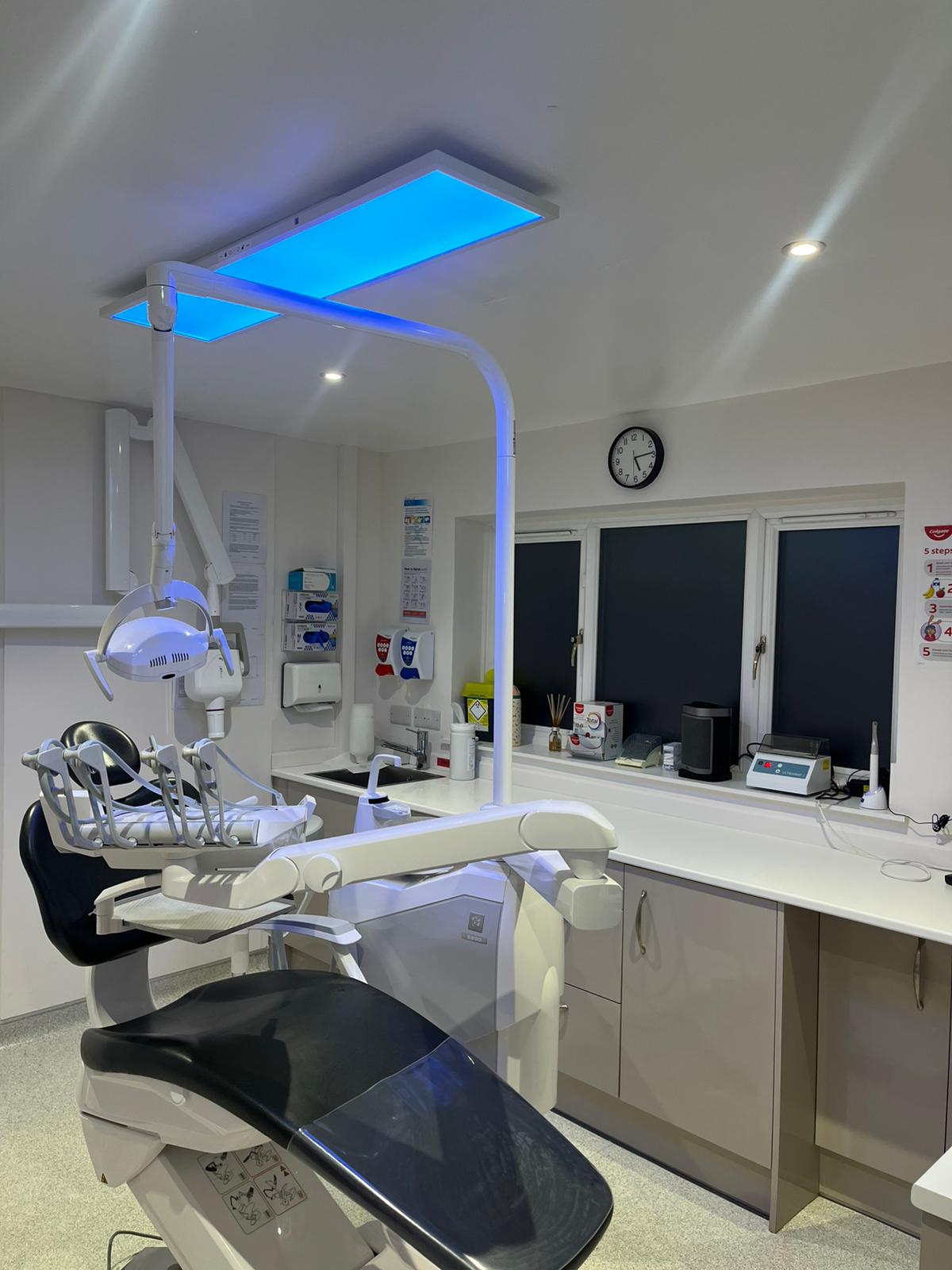
There is rarely anything to fear; today’s root treatments are seldom uncomfortable. Have a word with our team.
When the nerve inside a tooth dies or becomes infected, many people assume the tooth has to come out. In most cases it does not. Root canal, or endodontic, treatment removes the infection and saves the tooth instead. Much of this work is carried out here at Netherton Dental Practice, and where a case is particularly tricky we can refer you to specialist endodontist Barbara Swistak at Charing Cross Dental Practice in Norwich. Here is what the treatment involves.
Root treatment tackles infection in the soft pulp at the heart of a tooth, where the nerve and blood supply sit. The trouble usually starts with:
Once the pulp becomes inflamed or infected it can bring on real pain, swelling and, if nothing is done, the loss of the tooth. The treatment cleans out the damaged tissue, disinfects the canals thoroughly and seals them so the problem cannot return.
If any of these sound familiar, please do not put off being seen; catching it early often saves the tooth and avoids more involved treatment later.
Examination and X-rays — we assess the tooth and image it to see how far the infection has spread.
Numbing — local anaesthetic settles the tooth completely, so the appointment feels no different to having a filling.
Cleaning — a small opening lets us reach and remove the infected pulp, then carefully clean and shape the canals.
Sealing — the cleaned canals are filled with a biocompatible material and sealed against further infection.
Restoring — a final filling or crown rebuilds the tooth, protects it and lets you use it normally again. We then keep it under review.
Most people are back to normal very quickly:
Root treatment has a fearsome reputation it no longer deserves. With today’s anaesthetics and techniques it is seldom uncomfortable, and because it removes the infection that was causing the trouble, most patients leave feeling considerably better than they arrived.
Keeps your own tooth in place, holds your bite and jawbone steady, and usually avoids the expense of an implant or bridge. A lasting answer where the tooth is still sound underneath.
Takes the tooth out for good, which can let neighbouring teeth drift and upset the bite, and often means a bridge, implant or denture later on. Sometimes unavoidable when a tooth is simply too far gone.
With root treatment and a good final restoration, a tooth that seemed lost can serve you well for many more years.
May involve more detailed imaging, rotary instruments, longer appointment times and the choice of premium materials, with referral to a specialist endodontist where the case calls for it.
We will set out every option plainly so you can choose what suits your comfort, your time and your budget.
Get in touch with Netherton Dental Practice; in most cases we can settle the pain and save the tooth.
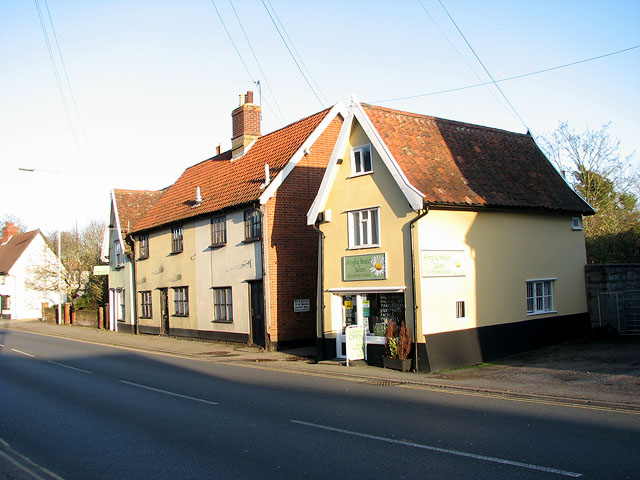
Netherton Dental Practice
The Plain, Long Stratton,
Norwich, NR15 2XG