Decay is one of the most common reasons people visit a dentist, and happily one of the most straightforward to put right.
Usually wrapped up in under half an hour.
Numbed beforehand so you feel nothing.
A choice of materials, including natural-looking white.
Hard-wearing repairs built to last.
Book a check-up and we will deal with it before it grows.
Decay is among the most common problems we see, yet it is also one of the simplest to repair. At Netherton Dental Practice we use tooth-coloured fillings as a safe, durable way to rebuild a damaged tooth and halt further decay. Modern composite resin also means those old, unsightly metal fillings can be replaced with a natural-looking alternative. Whether you have noticed some discomfort or we have found a cavity at a routine visit, here is what you need to know.
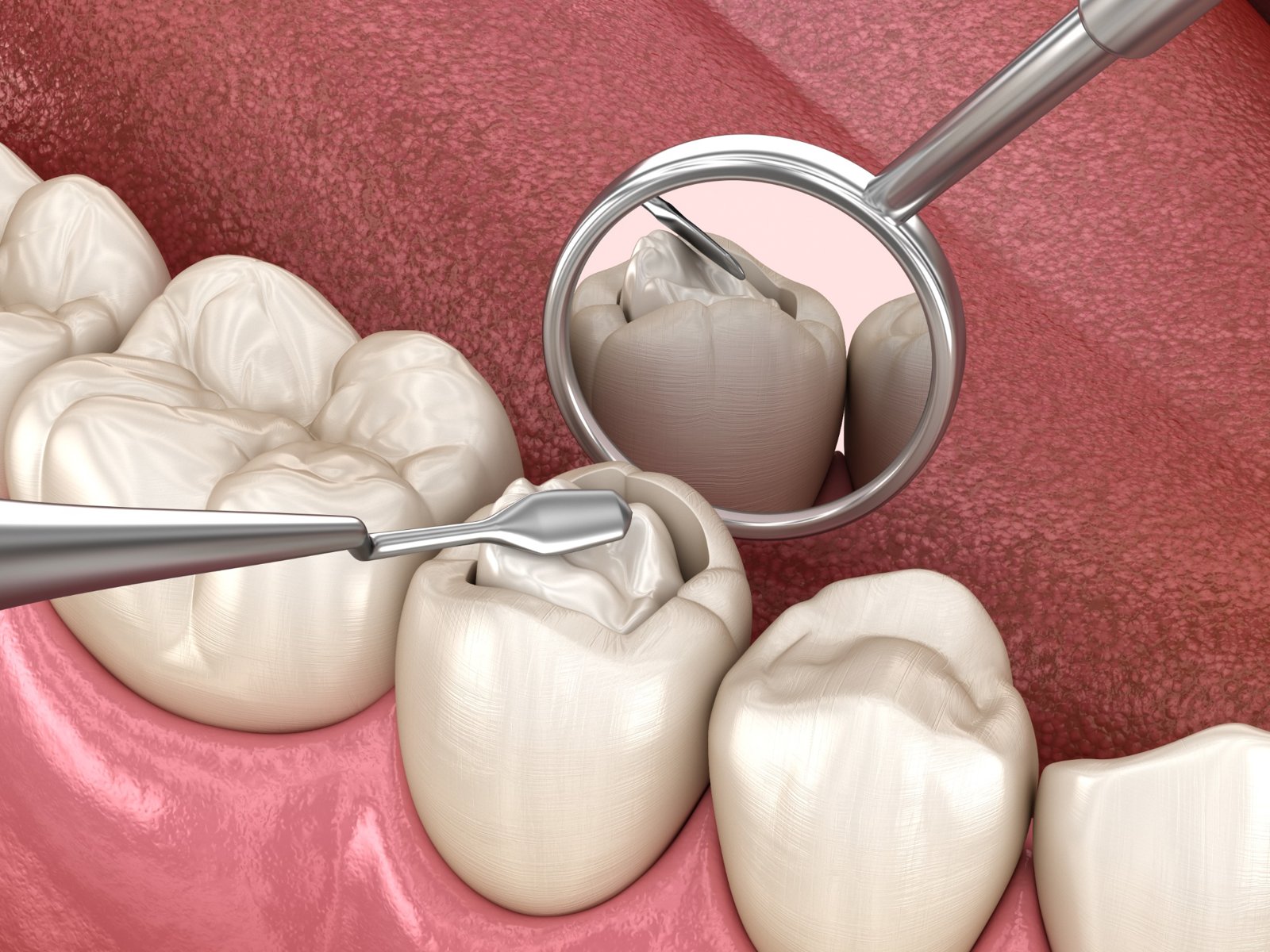
A filling is simply a material used to rebuild the space decay has left behind. It seals the cavity and brings back the tooth’s shape, strength and function. Leave a small cavity alone and it can grow into a painful infection that needs root treatment, so dealing with it early really does pay off. There are limits to what a filling can manage, though: where a cavity is very large, a porcelain inlay or a crown may be the better, longer-lasting answer, and we assess every tooth on its own merits.
Many cavities give no warning at all in the early stages, which is exactly why regular check-ups matter so much. You may need a filling if you notice:
If any of that rings true, arrange an assessment so we can sort it before it worsens.
We offer a range of filling materials and will help you pick the one that best fits the tooth and the look you are after.
The classic silver-coloured filling, made from a blend of metals. Trusted in dentistry for well over a century, it is still among the toughest options around.
A tooth-coloured resin set with fine glass particles, shade-matched so closely that it disappears against your own teeth. Our first choice for replacing unsightly metal fillings.
A tooth-coloured material of acrylic and glass powders, with the handy quality of slowly releasing fluoride to help guard the tooth against fresh decay.
We will recommend the most suitable material for each tooth, taking account of where the cavity sits, how much chewing force it takes and your own preference, and for very large cavities we will talk you through inlays or crowns instead.
Numbing — a little local anaesthetic settles the tooth so you stay perfectly comfortable.
Clearing the decay — the damaged part of the tooth is gently taken away.
Preparing — the cavity is cleaned and made ready for the filling.
Building up — the material is placed and shaped to match the tooth.
Finishing — the filling is smoothed, polished and checked against your bite.
You can eat and drink again as soon as the numbness fades, and any lingering sensitivity normally settles within a few days.
Brushing well, keeping up with your check-ups and going easy on hard or sticky foods will all help your fillings last as long as possible.
Have a word with Netherton Dental Practice; we will deal with it early and keep your smile in good shape.

Netherton Dental Practice
The Plain, Long Stratton,
Norwich, NR15 2XG