Quick, low-dose dental images that reveal what is happening between and beneath your teeth, often long before any symptoms appear.
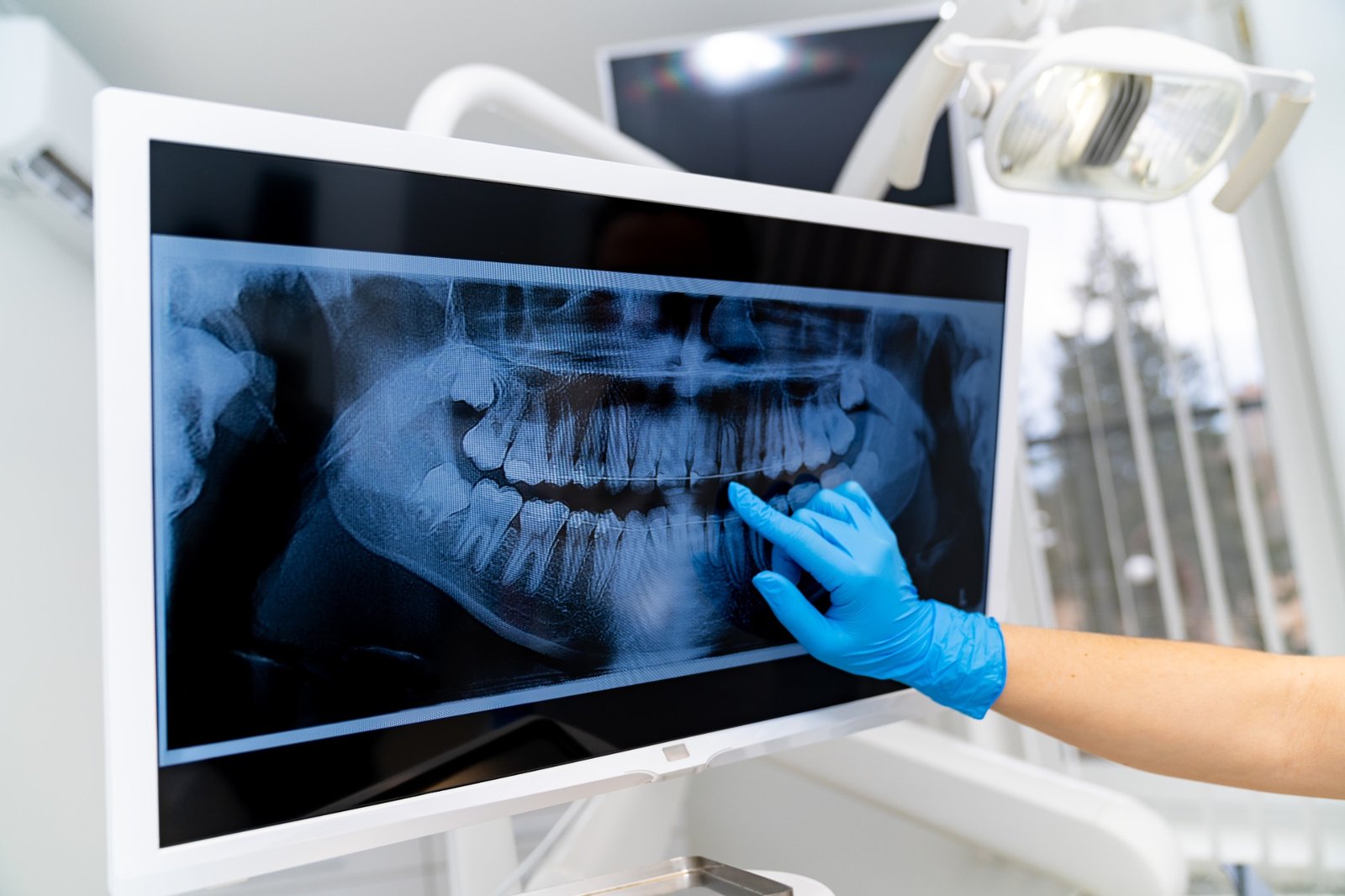
Digital imaging keeps radiation doses very low.
Decay and infection found before they cause pain.
A simple image with nothing to recover from.
The detail behind a confident diagnosis.
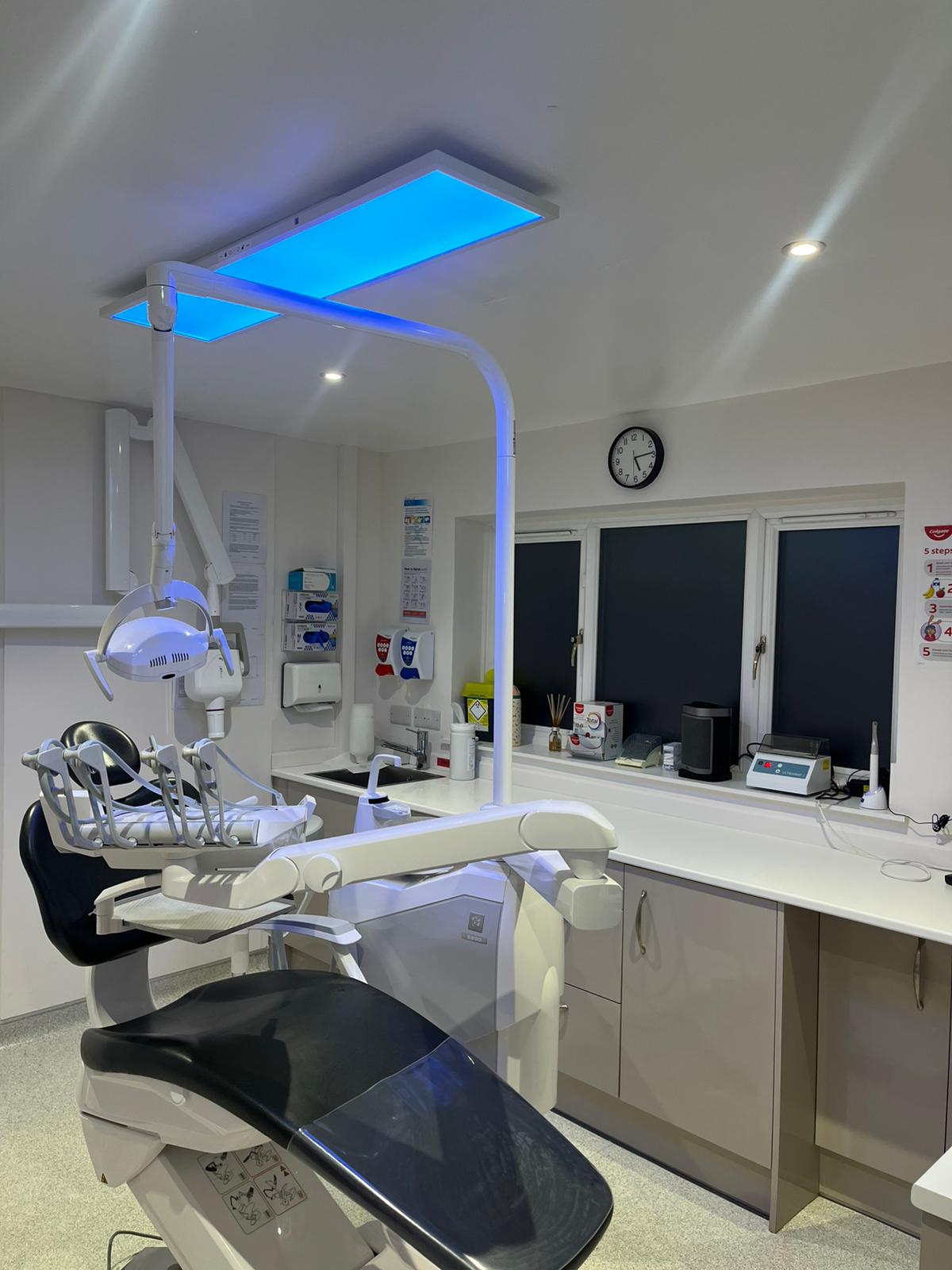
Arrange a check-up and we will judge whether an image is needed.
Diagnostic images are one of the most valuable tools we have for protecting your teeth. At Netherton Dental Practice we use quick, low-dose intraoral X-rays, from small films focused on a single tooth to wider scan views, to pick up problems early, often well before you would notice anything yourself. Whether you are in for a routine check-up or a consultation, they let us confirm that your teeth, gums and jaw are genuinely as healthy as they feel.
An X-ray, or radiograph, is simply an image that shows the parts of a tooth and its surrounding bone that the eye cannot reach. A visual examination tells us a great deal, but a radiograph reveals what lies below the gum line and between the teeth. Most of the images we take are intraoral, captured with a small sensor inside the mouth, and they are the type used most often in everyday dental care.
A small film that looks for decay sitting between the teeth, where it is hardest to spot by eye. Often taken at routine visits.
A focused image of one or two teeth, capturing the whole tooth from the biting surface right down to the tip of the root.
A broader scan view that takes in a whole upper or lower arch in a single image.
They are. We work to strict safety standards to keep your exposure to an absolute minimum, and the dose from a routine dental image is smaller than the natural radiation you would receive on a short flight.
We never image for the sake of it; a radiograph is only taken when there is a clear clinical reason, be that a first appointment, a regular review or a follow-up during treatment.
How often you need an image depends on your age, your dental history and the current health of your mouth. As a rough guide:
We will always explain exactly why an image is being taken and make sure you are happy before we go ahead.
Talk to Netherton Dental Practice about your routine care, including diagnostic images whenever they are clinically needed.
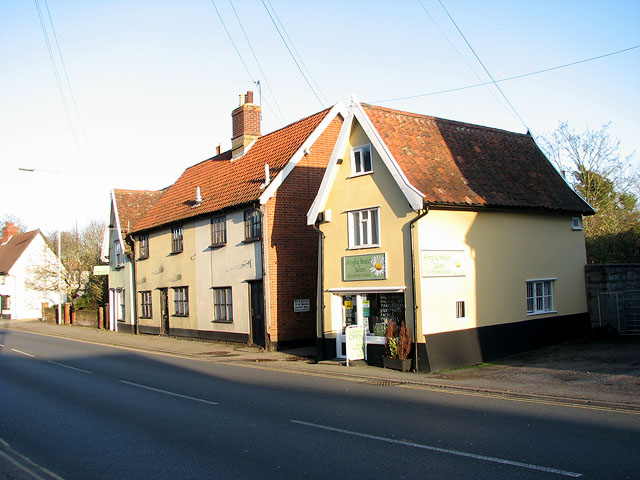
Netherton Dental Practice
The Plain, Long Stratton,
Norwich, NR15 2XG